How to Create an Effective Event Schedule
Creating an effective event schedule is crucial for community engagement and participation. A well-organized schedule not only enhances attendance but also maximizes the overall experience for both organizers and participants. This guide will provide you with practical insights into developing an event schedule that meets the needs of your community.
Understanding the Basics
To develop an effective event schedule, it’s essential to understand the underlying principles of event planning. According to industry experts, a successful event schedule typically incorporates clear objectives and a thorough understanding of your audience's preferences. This involves considering the timing, location, and type of event that would resonate most with potential participants.
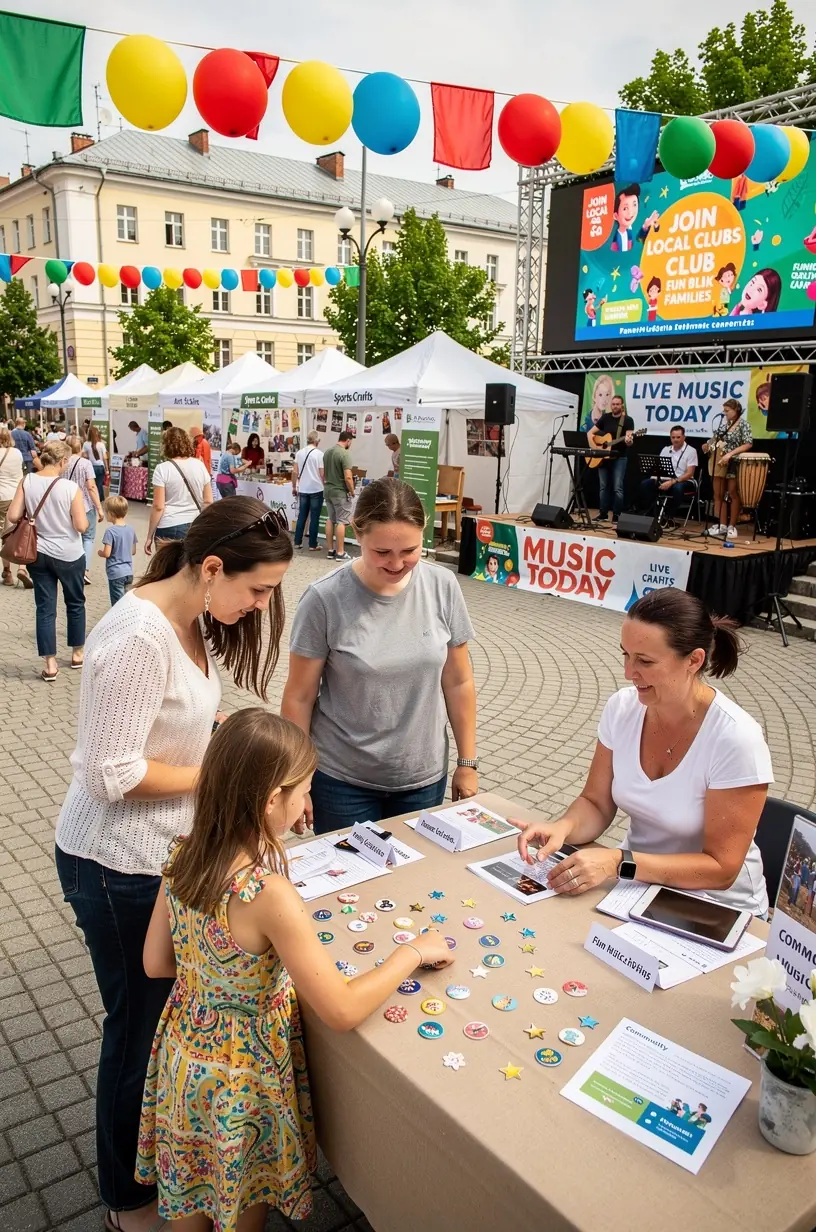
"Research indicates that clear communication about event details can significantly boost attendance and community involvement."
Key Elements of an Effective Schedule
- Define Your Audience: Understanding who you are planning for is vital. Many users report that tailoring events to specific community interests, such as chess clubs or live music nights, can lead to higher participation rates.
- Select Appropriate Timing: Timing is critical. Studies show that events scheduled during weekends or early evenings often see better turnout than those held during working hours. Test various times to identify when your audience is most available.
- Provide Clear Details: Each event listing should include essential information such as date, time, location, and a brief description. This works because it sets clear expectations and helps potential attendees determine their availability.
Step-by-Step Process to Create Your Schedule
Creating an effective event schedule involves several steps:
- Research: Analyze past events to see what worked well and what didn’t. Gather feedback from participants to improve future schedules.
- Plan Ahead: A well-organized schedule typically takes time to develop—consider allocating 2-4 weeks for planning. This allows you to secure venues, speakers, or any necessary resources.
- Use Digital Tools: Platforms like Google Calendar or event management software can streamline the scheduling process. Experts recommend using these tools for easy sharing and updates, which can enhance participant engagement.
Distributing Your Schedule
Once your schedule is finalized, consider how you will share it with your community. Printed schedules can be effective, especially for local gatherings, but digital formats offer flexibility and reach. According to studies, digital communication methods often result in higher engagement, as they allow for real-time updates.
Acknowledge Limitations
While creating an effective event schedule can significantly improve community participation, it's essential to acknowledge potential limitations. For instance, some events may not attract the expected number of participants due to unforeseen circumstances or competing events. Understanding this can help manage expectations and encourage continuous improvement.
Conclusion
In summary, effective event scheduling requires careful planning, understanding your audience, and clear communication. While the process may take time and effort, following these guidelines can help create an engaging schedule that fosters community involvement. Remember, the goal is to provide valuable experiences that resonate with your community, so always welcome feedback and be willing to adapt.
Learn More